Behind the drywall, under the floorboards, and beneath the concrete foundation of every Los Angeles home lies a complex network of pipes plumbing responsible for delivering clean, pressurized drinking water and safely carrying away wastewater. Whether you are planning a whole-home repipe, remodeling a bathroom, or repairing a sudden leak, selecting the right piping materials and high-integrity plumbing fittings is critical to long-term reliability.
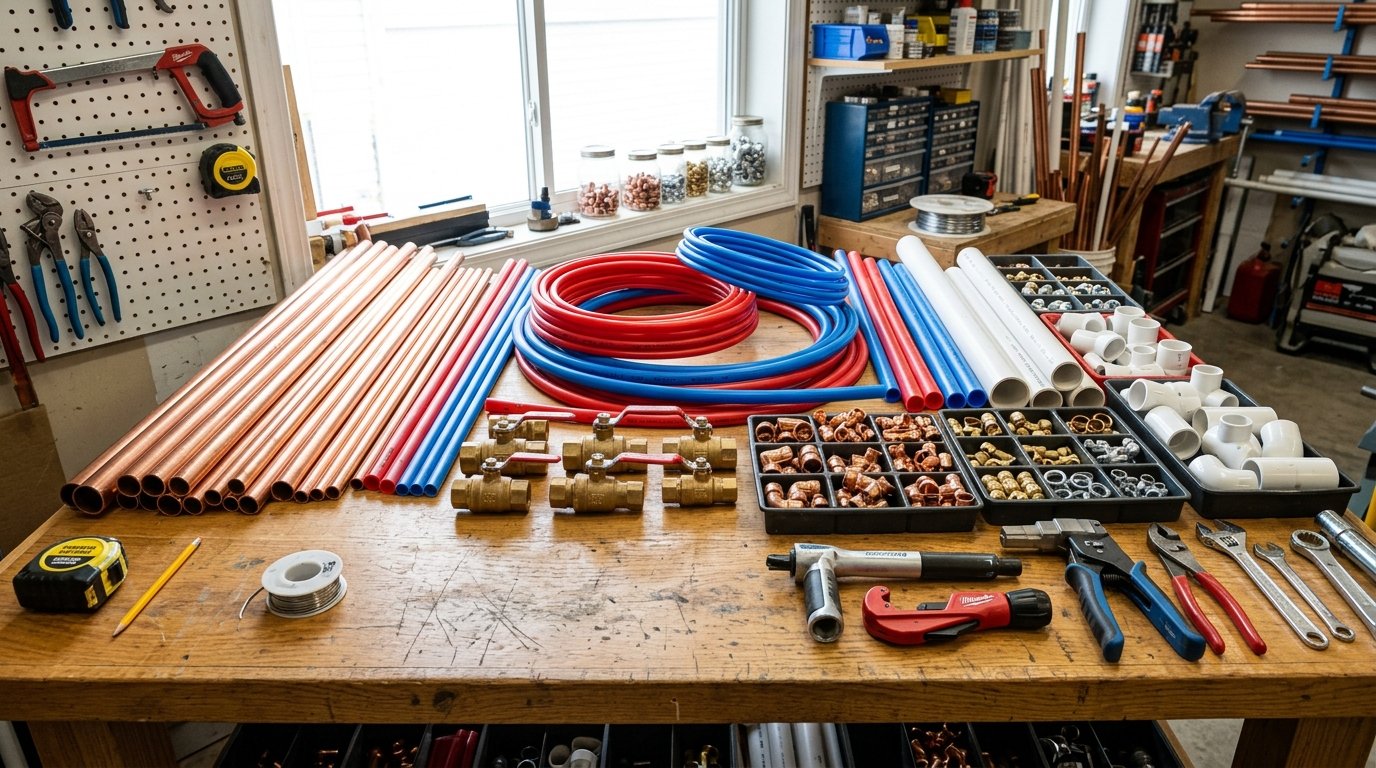
Southern California presents distinct environmental challenges for residential plumbing: aggressive municipal mineral hardness (14–20+ grains per gallon), corrosive adobe soils, high seismic activity, and seasonal ground shifting. In this definitive guide, our licensed C-36 master plumbers compare the four primary pipe materials—Type L Copper, Uponor PEX, Schedule 40 pvc plumbing, and CPVC—explain how modern plumbing pipe fittings work, and guide you on selecting high-reliability plumbing valves near me.
Understanding the Two Systems: Supply Lines vs. DWV Lines
Before comparing pipe materials, it is vital to distinguish between your home's two completely separate plumbing circuits:
- Potable Water Supply Lines: High-pressure piping (typically 50–75 PSI) carrying hot and cold drinking water from the street meter to your fixtures. These lines require materials engineered for continuous hydraulic pressure, including Type L copper, Uponor PEX-a, or CPVC.
- Drain-Waste-Vent (DWV) Lines: Low-pressure, gravity-fed piping engineered to remove wastewater and vent sewer gases out through the roof. These lines use large-diameter Schedule 40 PVC, ABS, or legacy cast iron.
Comprehensive Pipe Material Comparison for Los Angeles Homes
| Pipe Material | Primary Application | Lifespan | California Code Approval | Pros | Cons & Limitations |
|---|---|---|---|---|---|
| Type L Copper | Indoor/outdoor potable supply, water heater connections | 40–50+ Years | Approved (CPC Standard) | Impervious to UV, natural antimicrobial properties, fire resistant, high resale value | Vulnerable to pinhole leaks from hard water and soil acidity; higher material cost; rigid |
| PEX-a (Uponor Cross-Linked Polyethylene) | Indoor potable supply, repiping, slab reroutes | 50+ Years | Approved (CPC Section 604) | Immune to mineral scale and corrosion; expands without bursting during freezing; flexible; fewer joints | Degrades under direct UV sunlight; cannot be used outdoors; requires specialized expansion tools |
| Schedule 40 PVC Plumbing | Drainage (DWV), outdoor irrigation, main sewer line | 50–100 Years | Approved for DWV only | Zero corrosion, smooth interior prevents clogs, cost effective, easy solvent-weld installation | Banned by California Plumbing Code for indoor hot/cold potable water; brittle in freezes |
| CPVC (Chlorinated PVC) | Budget potable hot/cold supply | 15–25 Years | Approved (Restricted) | Lower upfront cost than copper; handles hot water unlike standard PVC | Becomes extremely brittle over time in hot California attics; high catastrophic fracture rate |
| ABS (Acrylonitrile Butadiene Styrene) | Indoor DWV drainage and roof vent stacks | 40–60 Years | Approved for DWV | Impact resistant, lightweight, engineered specifically for residential interior drainage | Must not be exposed to direct sunlight; degrades if exposed to chlorinated solvents |
Deep-Dive: Copper vs. PEX for Southern California Water
For decades, rigid copper tubing was considered the gold standard of residential plumbing. While Type L copper remains a premium, fire-resistant material frequently specified in luxury custom homes in areas like Westlake Village and Encino, Southern California's water chemistry has made PEX-a the dominant choice for modern repiping.
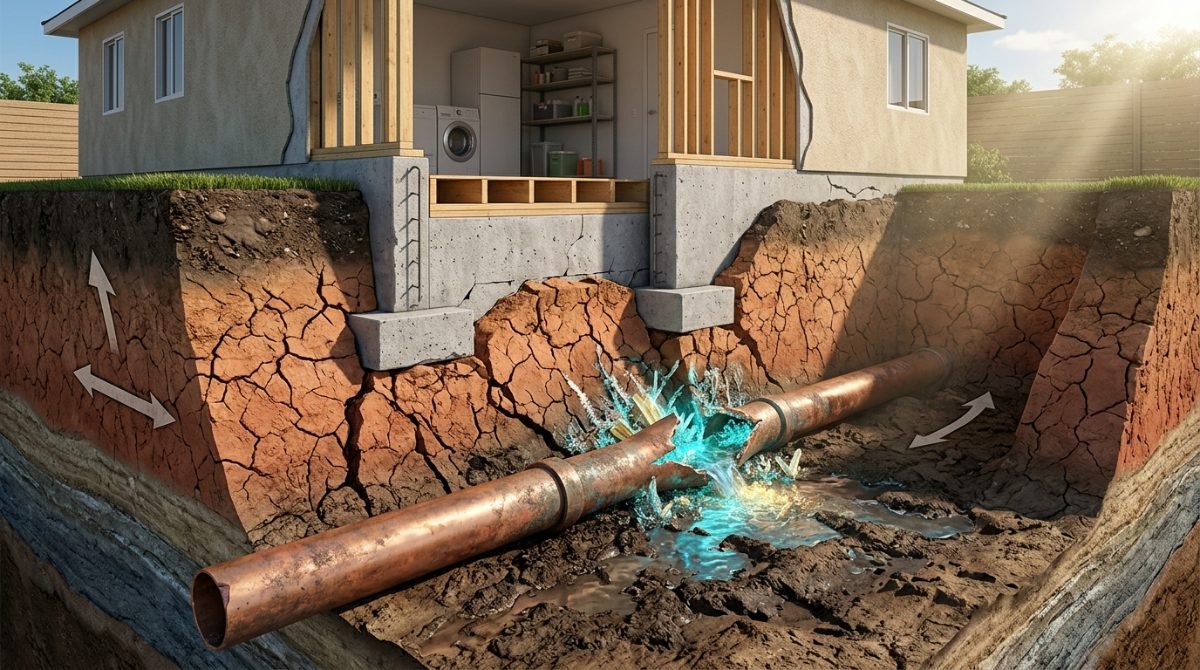
Water imported into Los Angeles through the Colorado River Aqueduct carries high concentrations of dissolved minerals, sulfates, and chlorides. Over 20 to 30 years, this chemical mixture triggers localized pitting corrosion—microscopic battery-like galvanic reactions that eat through copper pipe walls from the inside out. This leads to costly slab leaks beneath concrete foundations. Learn more in our Slab Leak Repair Cost Guide.
In contrast, PEX-a (Engel-method cross-linked polyethylene) is completely inert to acidic water and mineral calcification. Its flexible coils allow technicians to snake continuous lines through wall studs and attic rafters without intermediate joints behind drywall, eliminating 70% of potential failure points. Explore our full upgrade services on our Whole-Home Repiping page.
Guide to Plumbing Fittings: Connection Methods Explained
A piping system is only as durable as its connections. When installing or repairing plumbing pipes and fittings, licensed trade plumbers deploy specific mechanical coupling methods depending on the pipe substrate:
1. ProPEX Cold-Expansion Fittings (for PEX-a)
Engineered by Uponor, cold-expansion fittings utilize the shape-memory characteristics of PEX-a tubing. An expansion tool briefly enlarges the pipe and an over-sleeve ring before a brass or engineered polymer fitting is inserted. As the material contracts, it creates a permanent 2,000-PSI seal with zero rubber O-rings to degrade. This is the highest-integrity fitting available for residential supply lines.
2. Lead-Free Solder & Brazing (for Copper)
Copper plumbing pipe fittings require sweating using lead-free solder and flux, heated to 450°F with an oxy-acetylene or propane torch. For underground slab repairs, California code mandates silver-brazing at temperatures above 1,100°F to ensure high mechanical shear resistance.
3. Solvent Cement Welds (for PVC & ABS)
Unlike glues that merely stick surfaces together, Schedule 40 pvc plumbing fittings use a two-step chemical process: a purple primer that softens the PVC polymer chains, followed by heavy-duty solvent cement. The chemical reaction chemically welds the pipe and fitting into a single, homogeneous piece of plastic.
4. Push-to-Connect Fittings (SharkBite) — Limitations
Push-fit fittings use internal stainless-steel grab rings and a synthetic rubber EPDM O-ring to seal pipes without heat or glue. While convenient for temporary emergency repairs, Aquavo Plumbing does not recommend burying push-fit fittings behind permanent drywall or beneath concrete foundations, as the internal rubber O-rings can degrade over 10–15 years.
Choosing Reliable Plumbing Valves Near Me: Ball Valves vs. Gate Valves
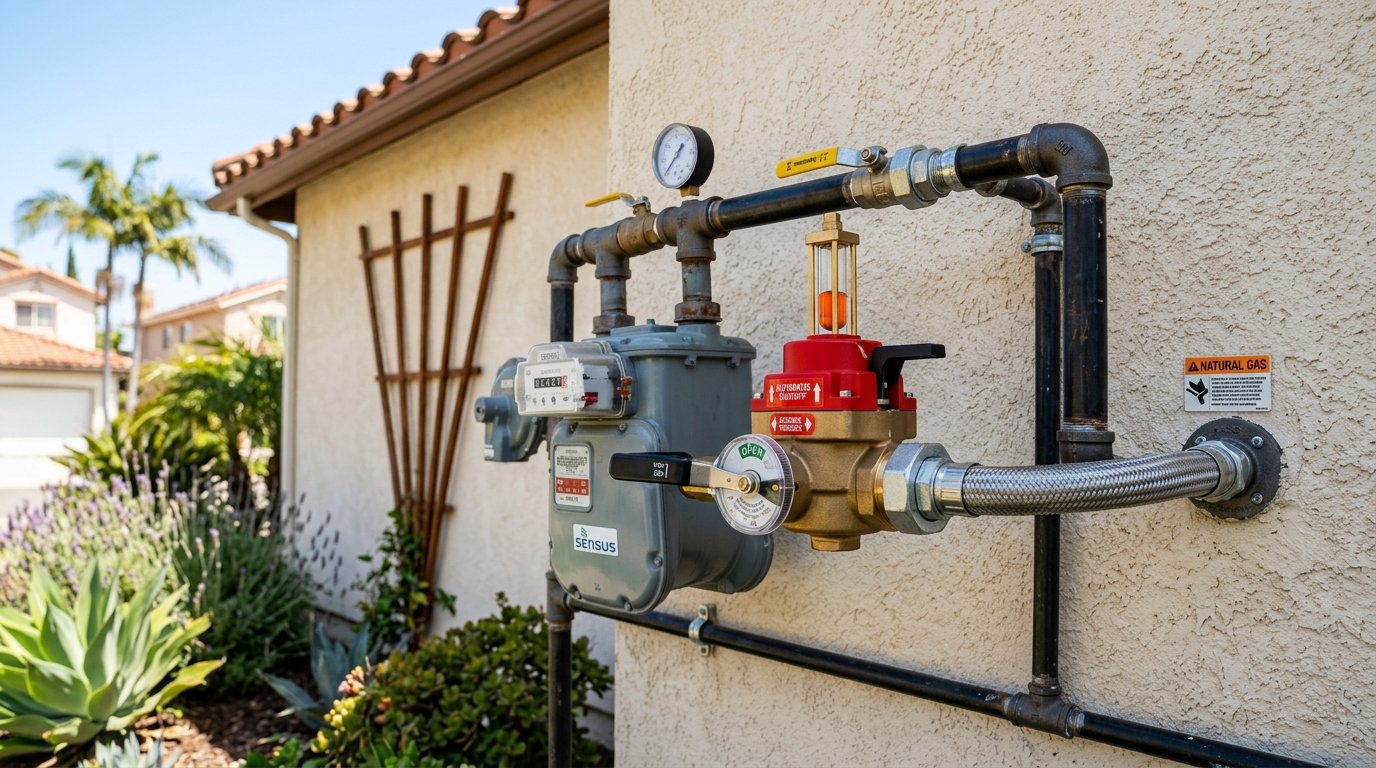
If you have ever experienced an emergency pipe burst, you know that the most crucial component in your home is your shutoff valve. When inspecting or upgrading plumbing valves near me, always insist on modern full-port quarter-turn brass ball valves over obsolete multi-turn gate valves:
- Outdated Brass Gate Valves (Prone to Seizing): Older homes throughout Los Angeles feature round-handle gate valves. Over 10–20 years, mineral deposits adhere to the brass wedge. When turned during an emergency, the internal stem often shears off, leaving the valve stuck permanently open or closed.
- Full-Port Quarter-Turn Ball Valves (Commercial Standard): Modern ball valves utilize a chrome-plated brass or stainless-steel sphere with a Teflon seat. A simple 90-degree lever rotation provides an instant, 100% watertight seal. Because water flows through an unrestricted full-bore opening, there is zero pressure loss across the valve.
- Thermostatic Pressure Balancing Valves: In shower and tub installations, California code requires pressure-balancing shower valves to prevent scalding when someone flushes an adjacent toilet.
Signs Your Home's Pipes and Fittings Need Replacement
If your home was built before 1990, watch for these telltale indicators of pipe deterioration:
- Rusty, Yellow, or Discolored Water: Brown or orange water appearing when you turn on the morning faucet indicates advanced internal oxidation in galvanized iron pipes.
- Low Water Volume with Multiple Faucets Open: When running the kitchen sink causes your shower pressure to drop to a trickle, internal mineral constriction has reduced your pipe's inner diameter from 3/4" down to the size of a straw.
- Recurring Leaks and Solder Weeping: If your plumbing requires more than one spot repair per year, the entire pipe system has reached the end of its useful life. Review our diagnostic checklist on Signs Your Home Needs Repiping.
Whether you reside in Thousand Oaks, Agoura Hills, Downey, or Long Beach, consulting with Aquavo Plumbing ensures your home is outfitted with commercial-grade, code-certified plumbing pipes and fittings engineered for decades of trouble-free performance.
Upgrade Your Home's Plumbing Pipes & Valves
Protect your property from hidden pinhole leaks and brittle fittings. Schedule a consultation with our licensed C-36 repipe and pipe repair specialists today for transparent upfront pricing.
This Isn't a Substitute for a Professional Inspection
These guides are designed to help you understand plumbing symptoms and technical options. If you suspect an active leak, sewer backup, or gas odor, contact our licensed C-36 technicians immediately for a safe evaluation.