Many homeowners assume that high water pressure is a luxury—until their washing machine supply line blows out, their water heater begins leaking scalding water onto the garage floor, or loud "water hammer" thuds shake their drywall every time a toilet finishes flushing.
In Los Angeles and the San Fernando Valley—particularly in elevated and hillside neighborhoods like Woodland Hills, Encino, and Studio City—the Los Angeles Department of Water and Power (LADWP) pumps municipal water at pressures ranging from 100 to 145+ PSI to ensure water reaches hilltop reservoirs and fire hydrants.
Your home relies on a single brass device—the Pressure Reducing Valve (PRV)—to step that intense street pressure down to a safe, steady level.
California Plumbing Code: The 80 PSI Rule
Under California Plumbing Code (CPC Section 608.2), whenever municipal water main pressure exceeds 80 PSI (pounds per square inch), an approved pressure regulator must be installed on the domestic water supply line.
- Dangerous Street Pressure: 95 – 140+ PSI (causes pinholes, valve blowouts, appliance flooding).
- Maximum Allowable Code Limit: 80 PSI.
- Ideal Residential Setting: 55 – 65 PSI (optimal shower volume without fixture strain).
5 Unmistakable Symptoms of a Failed Pressure Regulator
- Banging or Shuddering Pipes (Water Hammer): When you turn off a faucet or your sprinkler zone shuts down, a loud thud or reverberation rattles inside your walls. High velocity water slams against the suddenly closed valve.
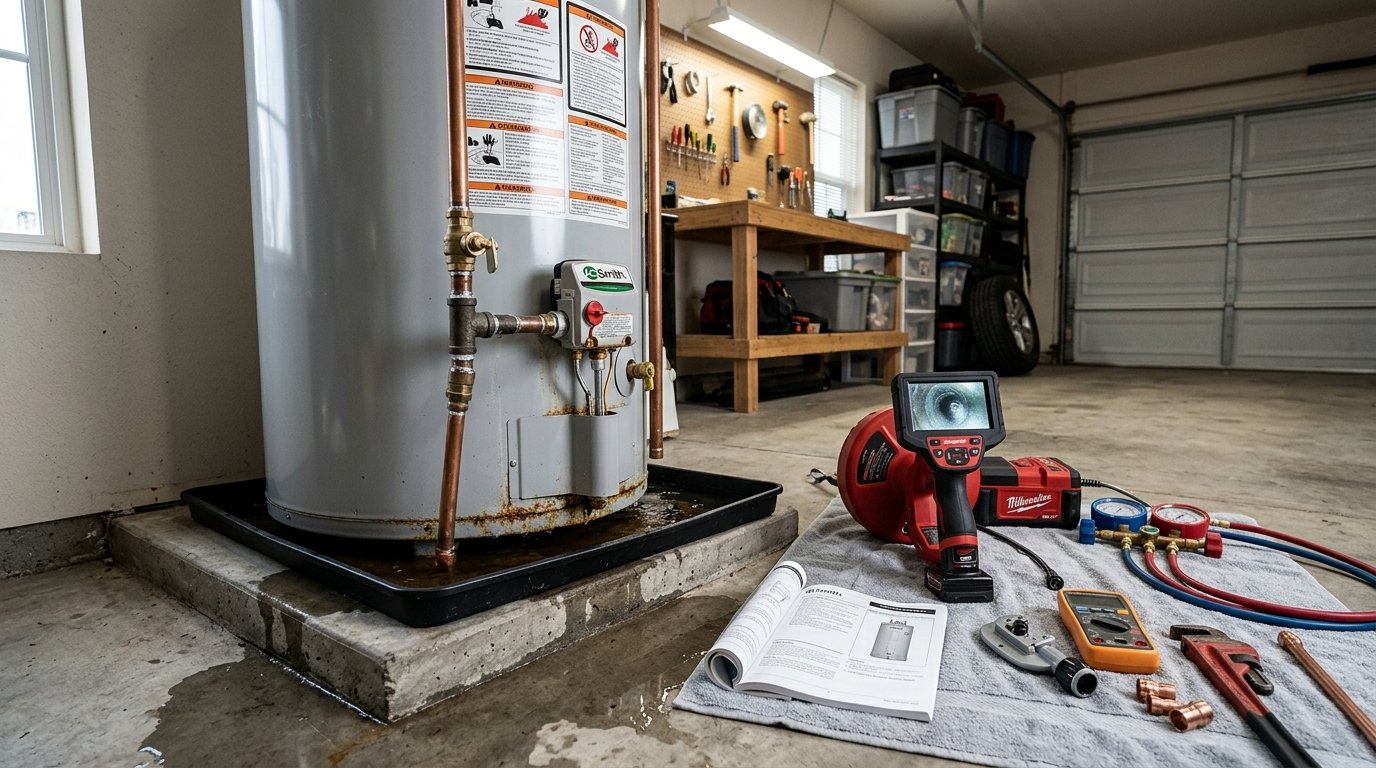
- Dripping Water Heater T&P Relief Valve: The thermal expansion of water inside your water heater has nowhere to go when pressure exceeds the 150 PSI rating of the safety relief valve, causing constant dripping from the side discharge tube.
- Faucets That 'Spit' or Spray Aggressively: When you open a sink faucet after it has sat overnight, water bursts out with violent force before dropping down to normal flow.
- Constantly Running or Whistling Toilets: Excessive pressure pushes past toilet fill valve seals, causing phantom running or high-pitched squealing.
- Sudden Drop to a Trickle (Valve Seized Closed): When internal rubber diaphragms tear or mineral scale jams the internal cartridge, the valve can lock shut, starving the entire home of volume.
How Much Does PRV Replacement Cost in Los Angeles? (2026 Pricing)
A typical residential pressure regulator replacement in Los Angeles ranges from $350 to $650. Here is how job scopes compare:
| Replacement Scope | Typical Cost | What Is Included? |
|---|---|---|
| Direct PRV Swap (Accessible Bell Valve) | $350 – $525 | Removing failing valve, installing commercial-grade brass Wilkins/Zurn double-union PRV, calibrating to 60 PSI. |
| PRV Replacement + New Dual Shutoff Ball Valve | $475 – $725 | Replacing stuck or seized gate valves with full-port quarter-turn brass ball valves and calibrated PRV. |
| Underground Box Excavation & Relocation | $750 – $1,100 | Digging out collapsed curb boxes, repiping damaged copper riser lines above ground for easy servicing. |
Why We Exclusively Install Double-Union Brass Regulators
Cheap handymen often install low-grade threaded regulators that require cutting and re-soldering copper pipe every time they need maintenance. At Aquavo Plumbing, we exclusively install lead-free, heavy cast brass Wilkins Zurn 70XL or Watts LF25AUB double-union regulators.
- Double-Union Convenience: Threaded union nuts on both sides allow the valve cartridge to be serviced in 10 minutes without cutting copper lines.
- Stainless Steel Strainer Screen: Built-in 20-mesh stainless steel screen catches sand and municipal pipe debris before it fouls your fixtures.
- Bypass Relief Feature: Allows thermal expansion pressure to safely equalize back into the supply main.
How High Water Pressure Causes $10,000+ Slab Leaks
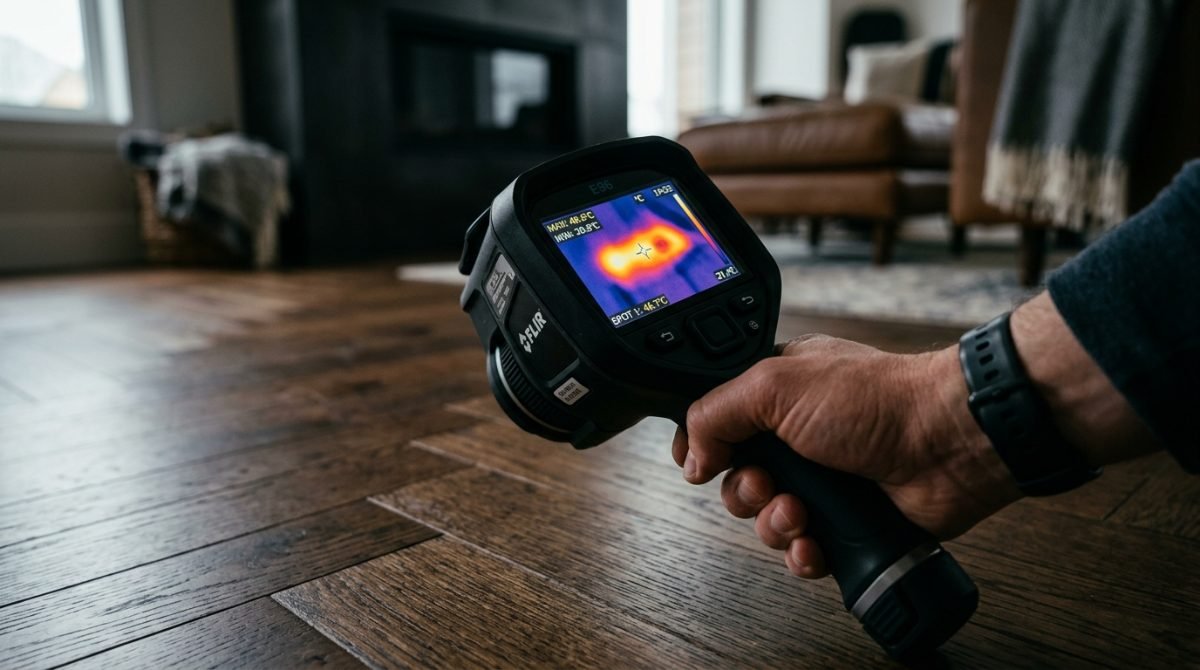
In older homes across Los Angeles built with 1960s–1980s Type M thin-wall copper piping, constant 100+ PSI pressure combined with abrasive water velocity creates internal friction turbulence. Over time, this erosion-corrosion wears through elbows and bends beneath concrete foundations, resulting in catastrophic slab leaks.
A $450 pressure regulator replacement today is the single cheapest insurance policy against a $4,000 under-slab emergency repipe tomorrow.
Schedule a Water Pressure Test with Aquavo Plumbing
Concerned your home’s water pressure is running too high? Aquavo Plumbing provides complimentary high-pressure testing during any service call across the San Fernando Valley. Call (818) 238-9116 today.
Frequently Asked Questions: Water Pressure Regulators
How can I test my home's water pressure myself?
Purchase an inexpensive $12 water pressure test gauge with a hose bib connection from any home improvement store. Screw it onto an outdoor garden hose faucet, turn the faucet fully on with no other water running inside, and read the static PSI dial. If it reads over 80 PSI, your regulator has failed.
Can I adjust my existing water pressure regulator?
You can adjust the bolt on top of the bell housing (clockwise increases pressure, counter-clockwise decreases). However, if turning the adjustment screw doesn't change the pressure reading on a gauge, the internal spring and rubber diaphragm have failed, requiring full replacement.
Where is the water pressure regulator located on my house?
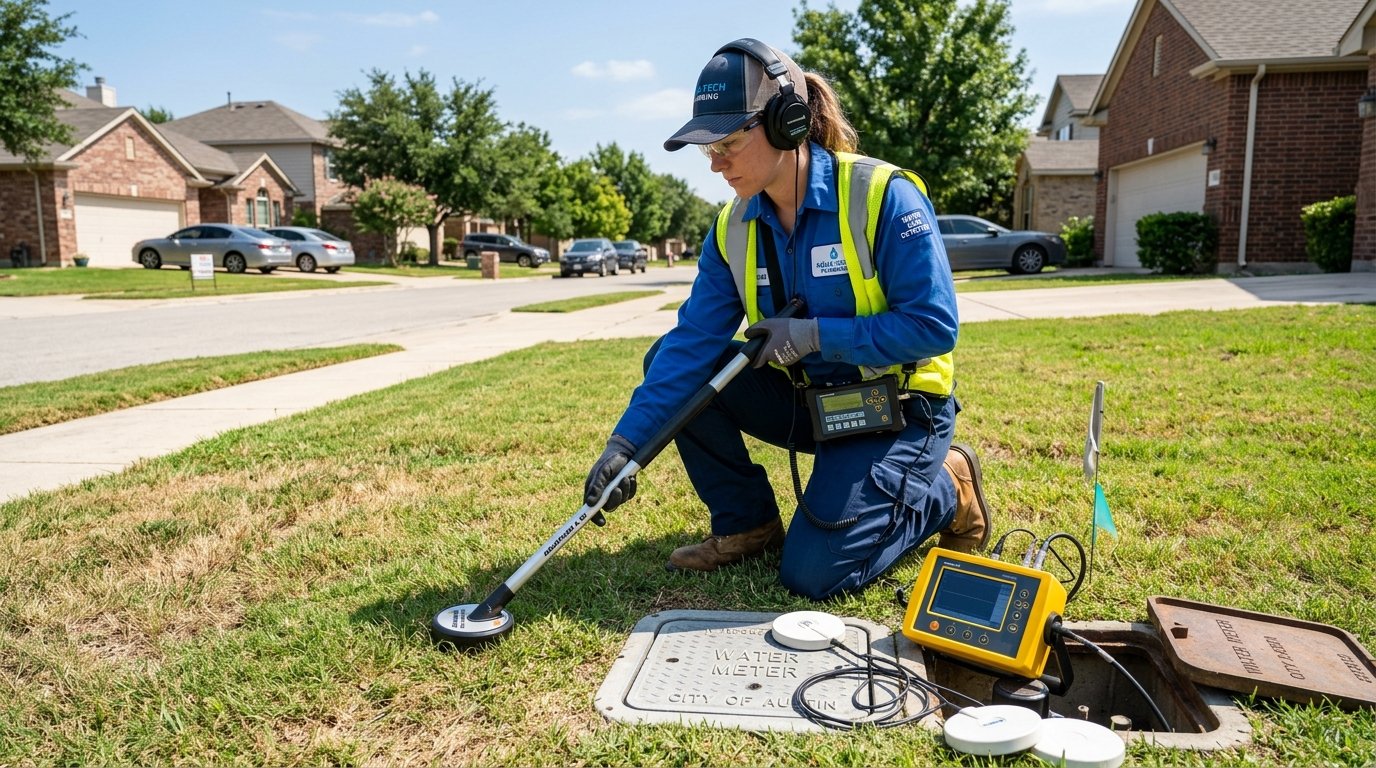
In most Southern California homes, the PRV is located outdoors on the main water supply riser near the front hose bib, inside the garage near the water heater, or in an in-ground concrete box near the front property line.
Does homeowners insurance cover damage from failed PRVs?
Insurance may cover sudden water damage resulting from a blown flex line, but they will not pay to replace the failed regulator or repair corroded piping. Routine maintenance is the homeowner's responsibility.